
Can you explain the importance of solder mask in Pcb assembly services?
solder mask in Pcb assembly services
The importance of solder mask in PCB assembly services cannot be overstated. It plays a critical role in ensuring the reliability, performance, and longevity of printed circuit boards (PCBs). Solder mask, also known as solder resist, is a protective layer applied to the surface of the PCB, covering all areas except the solder pads where components will be soldered. This layer is typically made of a polymer material such as epoxy or polyimide, and it serves several essential functions in the PCB assembly process.
First and foremost, solder mask provides insulation between conductive traces on the pcb assembly services. Without this insulation, there is a risk of electrical short circuits occurring between adjacent traces or components, leading to malfunction or even catastrophic failure of the circuit. By covering the non-conductive areas of the PCB, solder mask prevents unintended electrical connections and ensures the integrity of the circuit design.
Moreover, solder mask helps to protect the PCB from environmental factors such as moisture, dust, and contaminants. Exposure to these elements can corrode the metal traces and components on the board, compromising its performance and reliability over time. The solder mask acts as a barrier, shielding the PCB from environmental damage and extending its lifespan in harsh operating conditions.
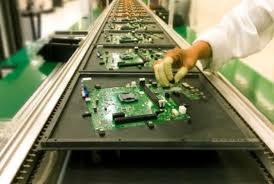
Can you explain the importance of solder mask in Pcb assembly services?
In addition to providing insulation and protection, solder mask also facilitates the soldering process during PCB assembly. The solder mask defines precise boundaries for solder deposition, ensuring that solder is applied only to the designated areas where components are meant to be attached. This helps to prevent solder bridges or shorts between adjacent pads, which can result in assembly defects and costly rework.
Furthermore, solder mask enhances the visual appeal of the PCB and aids in component identification. The color of the solder mask can be customized to meet aesthetic preferences or to differentiate between multiple PCBs in a complex system. Additionally, the contrast between the solder mask and the exposed metal traces makes it easier for technicians to visually inspect the board for defects or anomalies during the assembly process.
Another critical aspect of solder mask is its role in solder joint reliability. Proper application of solder mask helps to control the flow of solder during reflow soldering, ensuring consistent solder joints with adequate fillets and proper wetting. This is especially important for surface mount technology (SMT) components, where precise control of solder volume and placement is essential for reliable connections.
In conclusion, solder mask plays a vital role in PCB assembly services by providing insulation, protection, and soldering assistance. It is essential for maintaining the integrity and reliability of printed circuit boards, especially in demanding applications where environmental factors and electrical performance are critical. By understanding the importance of solder mask and incorporating it into the PCB design and assembly process, manufacturers can ensure the quality and longevity of their electronic products.