
How do you prevent solder bridging during contract electronic assembly assembly?
prevent solder bridging during contract electronic assembly assembly
Preventing solder bridging is crucial in contract electronic assembly to ensure the integrity and functionality of circuit boards. Solder bridging occurs when excess solder forms unintended connections between adjacent conductive elements, potentially causing short circuits and malfunctioning devices. Employing proper techniques and controls during the soldering process can effectively mitigate this issue.
One key strategy to prevent solder bridging is to optimize stencil design and aperture sizes during the solder paste application. Stencils with appropriately sized apertures help control the amount of solder paste deposited onto the PCB pads, reducing the likelihood of excess solder accumulation and bridging. By carefully designing stencils tailored to the specific requirements of the contract electronic assembly, manufacturers can achieve precise solder paste deposition and minimize the risk of bridging defects.
Additionally, controlling the viscosity of the solder paste is essential for preventing bridging. Proper solder paste consistency ensures smooth and uniform deposition onto the PCB pads, reducing the chance of solder bridging between adjacent pads. Manufacturers can adjust solder paste viscosity through temperature control and proper storage practices, maintaining optimal paste flow properties throughout the assembly process.
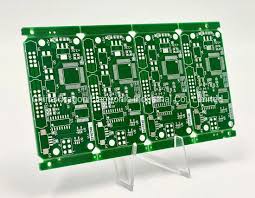
How do you prevent solder bridging during contract electronic assembly assembly?
Furthermore, ensuring proper alignment and registration of components on the PCB prior to soldering is critical for preventing solder bridging. Misaligned or poorly positioned components can create uneven solder joints, increasing the likelihood of bridging defects. Implementing robust quality control measures, such as automated optical inspection (AOI) systems, helps identify component placement errors early in the assembly process, allowing for timely corrections and minimizing the risk of solder bridging.
Moreover, optimizing reflow oven parameters, such as temperature profiles and conveyor speed, is essential for preventing solder bridging during the reflow soldering process. By carefully controlling the heating and cooling rates, manufacturers can ensure uniform solder reflow and minimize the formation of excess solder that could lead to bridging defects. Additionally, maintaining proper atmosphere conditions within the reflow oven helps prevent oxidation of solder joints, further reducing the risk of bridging.
Implementing adequate solder mask application and proper PCB design practices can also help prevent solder bridging. Solder mask coatings applied over the PCB surface create barriers between adjacent conductive elements, preventing solder from flowing where it shouldn’t during the soldering process. Furthermore, optimizing pad layouts and spacing on the PCB minimizes the risk of solder bridging by providing adequate clearance between solder joints.
In conclusion, preventing solder bridging requires a comprehensive approach that encompasses various aspects of the electronic assembly process. By optimizing stencil design, controlling solder paste viscosity, ensuring proper component alignment, optimizing reflow oven parameters, implementing solder mask application, and adopting effective PCB design practices, manufacturers can significantly reduce the risk of solder bridging defects. By prioritizing quality control and adherence to best practices, contract electronic assemblers can deliver reliable and high-quality products to their clients, free from solder bridging issues.